TL;DR
Learning how to take better photos requires a shift in perspective from buying gear to understanding the interplay of light and geometry. This guide breaks down essential composition rules and lighting techniques to transform your snapshots into art.
We live in a world where everyone has a camera, but few understand the mechanics of a truly great image. It starts with unlearning the habit of the centered subject and beginning to see the frame as a directed stage.
By mastering simple habits—like wiping your lens and chasing the golden hour—you can drastically improve the quality of your captures without spending a dime on new equipment.
Why This Matters Now: The Shift from Snapshots to Art and How to Take Better Photos
Most of us carry a sophisticated camera in our pocket every single day. Yet, having the gear doesn't mean you automatically know how to take better photos. We live in an era of visual saturation where everyone is a "photographer," but few actually understand the craft.
The gap between a boring snapshot and a compelling image isn't usually about the price of your lens. It is about how you see the world. Learning how to take better photos is about moving from being a passive observer to an active storyteller through your lens.
And here is the thing: most people fail because they focus on the wrong things. They buy more gear instead of training their eyes. If you want to understand how to take better photos, you have to stop looking at the settings and start looking at the light.
We are bombarded with "perfect" imagery on social media, which often leads to frustration. You might wonder why your travel shots look flat while others look cinematic. Mastering how to take better photos starts with unlearning lazy habits and embracing intentionality in every frame you capture.
Overcoming the Mental Block on How to Take Better Photos
Stop overthinking the technical jargon for a second. The biggest hurdle in learning how to take better photos is the fear of taking a "bad" shot. Every professional you admire has a hard drive full of garbage shots they never showed anyone.
Success in photography is often just a numbers game played with a focused mind.
You need to give yourself permission to experiment. If you are too precious about every shutter click, you will never push the boundaries of how to take better photos. Experimentation is the fastest way to discover your unique style and voice in a crowded field.
So, take the pressure off. Your goal today isn't to win an award; it is to understand one or two new concepts that change how to take better photos. Small, incremental improvements lead to massive results over time if you stay consistent with your practice.
Core Concepts Explained: Mastering the Frame for How to Take Better Photos
Composition is the skeleton of your image. Without it, your photo falls apart, no matter how pretty the colors are. When we talk about how to take better photos, we are really talking about how we organize the elements within the rectangle of the frame.
Most beginners put the subject right in the dead center. It is a natural instinct, but it's often the most boring choice you can make. Understanding the geometry of a scene is vital when you want to know how to take better photos that actually grab attention.
Think of your frame like a stage. You are the director deciding where the actors stand and where the spotlight hits. This level of control is what separates amateurs from those who truly know how to take better photos. It requires patience and a bit of spatial awareness.
And don't forget the edges of your frame. A common mistake when learning how to take better photos is ignoring the corners. A stray tree branch or a trash can in the corner can ruin a masterpiece. Always do a quick perimeter check before you click.
Composition Secrets for How to Take Better Photos
The "Rule of Thirds" is your best friend. Imagine a tic-tac-toe grid over your image. Placing your subject on one of those lines or intersections is a proven way how to take better photos with a balanced, professional feel. It creates natural tension and interest.
Leading lines are another powerhouse tool. Use roads, fences, or even shadows to point toward your subject. This is a classic technique in how to take better photos because it literally tells the viewer’s eye exactly where to look. It creates a sense of depth and journey.
Framing within a frame is a bit more advanced but highly effective. Look for windows, arches, or overhanging leaves to surround your subject. This adds a layer of complexity that shows you have mastered the basics of how to take better photos and are moving toward artistry.
- Use the rule of thirds for balance.
- Look for leading lines to create depth.
- Frame your subject using environmental elements.
- Keep the horizon level unless you have a reason not to.
Eliminating Distractions in Your Pursuit of How to Take Better Photos
A busy background is the enemy of a great portrait. If you want to know how to take better photos, you must learn to simplify. If a background element doesn't add to the story, it is subtracting from it. It's really that simple.
Try moving your feet. Sometimes a single step to the left or right can hide a distracting sign or telephone pole behind your subject. This physical movement is a key habit for anyone serious about how to take better photos. Don't be a static shooter.
You can also use a wider aperture to blur the background into oblivion. This is a "cheat code" for how to take better photos, but it shouldn't be your only trick. A clean, well-chosen background is always superior to a blurred, messy one that still has distracting colors.
| Problem | The "How to Take Better Photos" Fix |
|---|---|
| Busy Background | Change your angle or use a wider aperture. |
| Flat Subject | Use side lighting to create shadows and depth. |
| Cluttered Frame | Get closer and fill the frame with your subject. |
Step-by-Step Walkthrough: Controlling the Light for How to Take Better Photos
Light is the literal meaning of photography (writing with light). If you don't respect the light, you can't learn how to take better photos. It doesn't matter how high-resolution your sensor is if the light hitting it is flat and ugly.
Many beginners think bright sun is good. It’s actually usually the worst. Harsh midday sun creates "raccoon eyes" and blown-out highlights. Learning how to take better photos often involves seeking out the soft, diffused light that makes skin look amazing and colors pop.
But there is a catch: you can't always control the weather. You have to learn to work with what you have. This adaptability is the hallmark of someone who knows how to take better photos. It might mean moving to the shade or waiting for a cloud.
Shadows are just as important as the highlights. They provide the shape and form. Without shadows, your images look like 2D stickers. Embracing shadow is a massive step forward in your journey of learning how to take better photos with a cinematic quality.
Chasing the Golden Hour to Learn How to Take Better Photos
The hour just after sunrise and just before sunset is pure magic. The long, low angles of the sun provide a warm glow that is the easiest way how to take better photos without much effort. The shadows are long and the light is soft.
During this time, the atmosphere acts as a giant softbox. You won't get those harsh, squinty-eye shots. If you are struggling with how to take better photos, try scheduling your shoots exclusively during these windows. It’s almost impossible to get bad lighting at sunset.
But don't just stand there. Watch how the golden light hits your subject. Backlighting can create a beautiful halo effect, while side lighting emphasizes texture. This observation is key to mastering how to take better photos during the peak times of the day.
Managing Harsh Midday Sun While Mastering How to Take Better Photos
If you find yourself stuck shooting at noon, don't panic. Look for "open shade." This is an area like the shadow of a building or a large tree. It provides the diffuse light you need to understand how to take better photos even in high-contrast environments.
Another trick is to use the sun as a backlight. Position your subject so the sun is behind them, then expose for their face. This prevents them from squinting and can create a dreamy look. It is a solid technique for how to take better photos when conditions aren't perfect.
The best light isn't always the brightest; it's the light that tells the right story for the subject.
So, always be looking for reflections. Light bouncing off a white wall or even the sidewalk can act as a natural reflector. Using these environmental tools is a smart way how to take better photos without carrying a truckload of expensive lighting equipment.
Common Mistakes & Pitfalls: Why Your Shots Look Amateur and How to Take Better Photos
Let's get honest. Most of your photos probably suffer from a few "amateur" tells. One of the biggest is underexposure. If your photos look muddy and dark, you aren't letting enough light into the sensor. This is a primary fix for how to take better photos.
Another huge mistake is the "dirty lens" syndrome. We touch our phones and cameras all day. A fingerprint on the lens creates a hazy, low-contrast mess. If you want to know how to take better photos, the very first step is literally just wiping your lens clean.
And then there’s the "lazy eye." Beginners often shoot everything from eye level because it's comfortable. But eye level is how we see the world every day. If you want to understand how to take better photos, you have to find a perspective we don't usually see.
Finally, stop over-editing. A bad photo can't be saved by a heavy filter. Learning how to take better photos means getting it right in the camera first. Editing should be the polish on a diamond, not the glue holding a broken rock together.
Technical Fails That Prevent You from Learning How to Take Better Photos
Blurry photos are usually caused by one of two things: missed focus or camera shake. If your subject isn't sharp, the photo is a failure. Using a tripod or a faster shutter speed is a basic technical requirement for how to take better photos in low light.
Focusing is often overlooked. Most people just let the camera decide where to focus. Don't do that. Take control and tell the camera exactly where the point of interest is. This is a fundamental lesson in how to take better photos that look intentional and sharp.
- Check your exposure levels before clicking.
- Clean your lens with a microfiber cloth.
- Use a tripod for long exposures or low light.
- Manually select your focus point for precision.
Why Posing Might Be Ruining Your Ability to See How to Take Better Photos
"Say cheese!" is the death of a good portrait. It creates a stiff, fake expression that everyone can spot from a mile away. If you want to know how to take better photos of people, you have to learn to capture genuine moments and emotions.
Try making your subject laugh for real. A genuine smile involves the eyes, not just the mouth. This is a psychological trick in how to take better photos that makes the image feel alive. Interaction is much more important than the "perfect" pose.
Also, watch the posture. Having a subject lean slightly toward the camera or shift their weight can make a huge difference. Small adjustments are the secret sauce in how to take better photos of friends, family, or professional models alike. It's all in the details.
And don't be afraid to direct them. Most people feel awkward in front of a camera and want you to tell them what to do with their hands. Clear, confident communication is a major part of learning how to take better photos in a portrait setting.
Expert Tips & Best Practices: Beyond the Basics for How to Take Better Photos
Once you have the basics down, it is time to break the rules. The best photographers know the rules so well they know exactly when to ignore them. This is the "expert level" of how to take better photos where true creativity begins to shine.
Try shooting through objects. A bit of foliage in the foreground can create a beautiful sense of depth and mystery. This "layered" look is a sophisticated approach to how to take better photos that makes the viewer feel like they are peeking into a scene.
Don't be afraid of high ISO or "grain." In the past, noise was the enemy. Today, it can add a gritty, film-like texture to your work. Understanding when to embrace technical "flaws" is part of the nuance of knowing how to take better photos with character.
And keep your gear simple. Sometimes, having too many lenses can actually hinder your creativity. Sticking to one focal length forces you to move your body and think more about composition, which is a fantastic exercise for how to take better photos consistently.
Using Different Angles for Fresh Insights into How to Take Better Photos
Get low. Laying on the ground can make a common subject look heroic and monumental. This simple change in height is one of the most effective ways how to take better photos because it provides a perspective that most people never experience in their daily lives.
Alternatively, get high. Climbing a ladder or looking down from a balcony can reveal patterns and shapes that are invisible from the ground. Experimenting with your physical position is a direct path to learning how to take better photos that stand out from the crowd.
Think about the "worm's eye" vs. "bird's eye" view. Every subject has a "best side," but it might not be at 5 feet 10 inches off the ground. Searching for that unique angle is a fun and rewarding part of discovering how to take better photos.
The Role of AI in Helping You Understand How to Take Better Photos
Technology is changing the game. We now have tools that can help us analyze composition or even suggest better lighting setups. While the core of photography is human, using a smart AI assistant for how to take better photos can help you learn the technical side much faster.
Modern sensors use AI to track eyes and manage exposure in real-time. This allows you to focus on the art while the computer handles the math. It's a powerful way to bridge the gap if you're struggling with how to take better photos from a technical standpoint.
And here’s something for the tech-savvy: AI isn't just in the camera. You can explore AI models for how to take better photos that help with post-processing, noise reduction, and color grading. It's about working smarter, not just harder, to achieve your vision.
By integrating these tools, you can spend more time on the creative "why" and less on the frustrating "how." It's a new frontier for anyone looking at how to take better photos in the digital age without getting bogged down in manual settings for hours.
What's Next: Developing Your Eye for How to Take Better Photos
The journey doesn't end here. Photography is a lifelong pursuit. You don't just "finish" learning how to take better photos; you evolve. The most important thing you can do now is to keep shooting and, more importantly, keep looking.
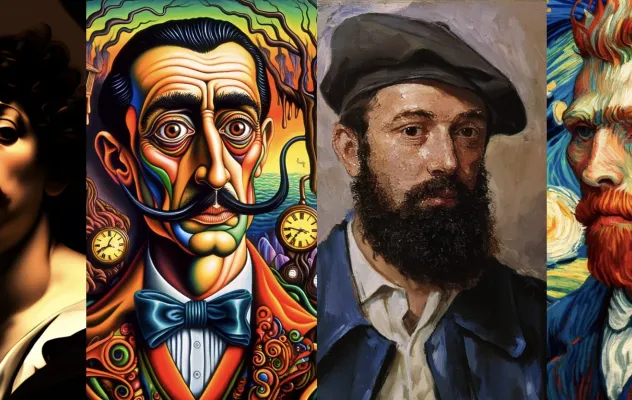
Study the masters. Look at classic paintings to see how they used light and shadow. Look at modern cinema to see how they frame a shot to evoke emotion. This visual education is the hidden secret to understanding how to take better photos that resonate with people.
Set yourself a "Photo-a-Day" challenge. Nothing beats raw volume when it comes to skill acquisition. The more you force yourself to find something interesting to shoot, the better your eye becomes at seeing potential in the mundane. That is how to take better photos naturally.
And finally, get your work critiqued. Share it with people who will give you honest feedback, not just "likes." Learning to see the flaws in your own work is the final, most difficult step in the process of how to take better photos that truly matter.
Building a Daily Routine for How to Take Better Photos
Make it a habit to carry a camera—even just your phone—everywhere. Opportunities for great shots happen in the boring moments between events. If you are always ready, you will discover that learning how to take better photos is mostly about being present and prepared.
Spend five minutes every morning looking at one great photograph. Analyze it. Where is the light coming from? Why did they put the subject there? This mental exercise is a great way to train your brain on how to take better photos before you even pick up the gear.
Lastly, don't be afraid to fail. Some days you will take 200 shots and they will all be terrible. That’s okay. That is part of the process. Every bad shot is a lesson that brings you one step closer to mastering how to take better photos and finding your own voice.
Your first 10,000 photographs are your worst. — Henri Cartier-Bresson
So get out there and start making mistakes. Use the principles we’ve discussed, but don't let them trap you. The world is full of beauty waiting to be captured, and now you have the foundation for how to take better photos that do those moments justice.
Written by: GPT Proto
"Unlock the world's leading AI models with GPT Proto's unified API platform."