
OpenAI has redefined the landscape of generative art with the release of GPT-5 Image. This isn't merely an incremental update; it represents a fundamental shift in how artificial intelligence interprets and executes visual intent. By decoupling advanced image generation from standard chat limitations, GPT-5 Image achieves a staggering 92% prompt accuracy and supports professional 8K resolution. In this deep dive, we explore why GPT-5 Image is becoming the new standard for enterprise and creative professionals, examining its core features, pricing structures, and distinct advantages over legacy multimodal systems.
2026-03-02
GPT-5 Image: The Ultimate Multimodal AI Generation Tool
Unlock gpt-5 image model. Dive into its image creation features, analyze its cost-effectiveness, and see a comparison with other AI image tools.
Table of contents
Defining the Multimodal Shift with GPT-5 Image
The arrival of GPT-5 Image marks a pivotal moment in the evolution of generative AI. For years, users have struggled with the disconnect between text-based large language models (LLMs) and diffusion-based image generators. Traditional systems often required complex prompt engineering—a skill set in itself—to bridge the gap between human intent and machine output. GPT-5 Image eliminates this friction by combining advanced semantic understanding with high-fidelity visual capabilities.
GPT-5 Image is not simply a bolt-on feature for a chatbot; it is a dedicated multimodal engine designed to comprehend nuance, abstraction, and complex spatial relationships. Unlike its predecessors, which treated language processing and image synthesis as separate pipelines, GPT-5 Image integrates these processes at a foundational level. This allows the model to interpret the emotional weight of a prompt, the stylistic requirements of a brand, and the technical specifications of a layout before a single pixel is generated. Consequently, GPT-5 Image delivers a user experience that feels less like operating a machine and more like collaborating with a skilled digital artist.
Core functionalities that set GPT-5 Image apart include:
- Optically Realistic Rendering: GPT-5 Image simulates physics-based lighting and material properties, making it ideal for photography-grade output.
- Style Blending: Users can instruct GPT-5 Image to merge distinct artistic movements, creating unique visual identities.
- Complex Composition Handling: The model excels at processing multi-element scenes where spatial positioning is critical.
- Technical Visualization: From architectural blueprints to product prototypes, GPT-5 Image adheres to structural logic.
Technical Features Overview of GPT-5 Image
To understand why GPT-5 Image is capturing the attention of enterprise developers and creative directors, we must look at the technical specifications. The model achieves breakthroughs across several dimensions, primarily driven by its enhanced context window and semantic parsing engine. GPT-5 Image was built to solve specific pain points found in DALL-E 3 and Midjourney, specifically regarding text rendering and prompt adherence.
The following table illustrates the primary features that define the GPT-5 Image ecosystem:
| Feature | Description | Application Scenarios |
|---|---|---|
| Semantic Parsing | Multi-layer semantic analysis allowing GPT-5 Image to understand abstract and emotional descriptions. | Complex requirement understanding, reduction of prompt engineering time. |
| Resolution Support | Maximum support for 8K ultra-high resolution output native to GPT-5 Image. | Professional printing, high-fidelity billboard presentation. |
| Optical Rendering | Physically accurate lighting calculations and material rendering within the GPT-5 Image engine. | Commercial photography, product rendering, automotive design. |
| Artistic Styles | Accurate reproduction of historical and contemporary art movements. | Creative design, concept art, style exploration. |
| Text Integration | Reliable text rendering with semantic alignment, a strong suit of GPT-5 Image. | Marketing materials, infographics, book covers. |
| Precision Editing | Fine-grained modifications to specific image elements without regenerating the whole scene. | Iterative optimization, localized adjustments in post-production. |
Deep Dive: Semantic Parsing in GPT-5 Image
The most significant leap forward for GPT-5 Image is its semantic parsing capability. Previous models often latched onto specific keywords while ignoring the sentence structure that dictated their relationship. For example, a prompt asking for "a cat not sitting on a mat" might confuse older models, resulting in a cat on a mat. GPT-5 Image understands negation, spatial prepositions, and complex logic. When you utilize GPT-5 Image, the system builds a logical map of the scene before rendering, ensuring that the relationships between objects are preserved exactly as described.
Performance Metrics and Efficiency
In production environments, speed is often as critical as quality. GPT-5 Image has been optimized to balance these competing demands effectively. Designers using GPT-5 Image for rapid prototyping need low latency, while marketing teams require high-resolution final assets.
Processing Speed
GPT-5 Image utilizes a tiered processing architecture. This allows it to deliver draft-quality images rapidly while reserving computational power for final 8K renders. The benchmarks for GPT-5 Image are as follows:
- Standard Resolution (1024x1024): 15-30 seconds.
- 8K High Resolution (Upscaled/Native): Under 60 seconds.
This processing speed significantly accelerates iteration cycles in production workflows. By integrating GPT-5 Image into the design pipeline, teams can explore dozens of variations in the time it previously took to render a single high-fidelity concept.
Accuracy and Reliability
Reliability has historically been the Achilles' heel of AI image generation. Based on extensive community testing data, GPT-5 Image achieves approximately 92% prompt accuracy. This metric measures how accurately the output matches the specific requests in the prompt (e.g., object count, color specificity, spatial arrangement). This high accuracy rate means that GPT-5 Image users experience significantly fewer failed iterations. Consequently, the cost per successful asset drops dramatically when using GPT-5 Image compared to less distinct models.
Pricing and Access Methods
Understanding the cost structure of GPT-5 Image is vital for enterprise adoption. OpenAI has adopted a usage-based pricing model, often delivered through platforms like OpenRouter to facilitate easy API integration.
Cost Structure
The pricing for GPT-5 Image is competitive, particularly when considering the reduced need for re-rolling failed prompts. The efficiency of GPT-5 Image means you pay for fewer generations to get the result you want.
| Billing Type | Price | Description |
|---|---|---|
| Standard Requests | $5 / 400,000 tokens | Regular usage of GPT-5 Image for standard generation. |
| Cached Requests | Discounted Rate | Repeated or similar queries leveraging the GPT-5 Image cache. |
The 400,000 token context window is a massive advantage for GPT-5 Image. It accommodates detailed background information, brand guidelines, reference image data, and complex specifications without incurring additional fees or losing context.
Integration and Acquisition
GPT-5 Image is readily available through OpenRouter as an OpenAI-compatible API. This ensures that developers already familiar with the OpenAI ecosystem can adopt GPT-5 Image with minimal friction. The integration process typically involves:
- Creating an account on the OpenRouter platform.
- Configuring API credits specifically for GPT-5 Image usage.
- Utilizing the standard OpenAI Python SDK, which is compatible without modification.
- Integrating GPT-5 Image through standard REST or SDK calls into your proprietary applications.
The GPT-5 Ecosystem Overview
GPT-5 Image does not exist in a vacuum. It is part of a broader, modular ecosystem designed by OpenAI to cover every facet of AI generation. This modular approach allows organizations to select the precise tool for the job, rather than relying on a "jack-of-all-trades" model that masters none.
Complete Product Line
OpenAI has introduced multiple variants alongside GPT-5 Image:
- GPT-5: The general-purpose flagship model.
- GPT-5 Mini: A lightweight version optimized for speed.
- GPT-5 Nano: Ultra-compact for edge computing.
- GPT-5 Codex: The professional code generation variant.
- GPT-5 Pro: The enterprise-grade enhanced version with higher limits.
- GPT-5 Chat: A conversation-optimized version with limited visual skills.
Why GPT-5 Image Exists as a Separate Product
You might wonder why GPT-5 Image is necessary if GPT-5 Chat exists. Although GPT-5 Chat possesses basic multimodal capabilities, its primary architecture is optimized for text tokens. Its image generation is often a secondary process. OpenAI introduced GPT-5 Image as a dedicated model to satisfy professional requirements that the Chat model cannot meet. GPT-5 Image utilizes specialized diffusion transformers optimized purely for visual fidelity, ensuring that textures, lighting, and anatomy are handled with a precision that a generalist model cannot achieve.
Comparative Analysis: GPT-5 Image vs. The Field
To truly evaluate the value of GPT-5 Image, we must compare it against its direct predecessors and competitors.
Performance Comparison with Previous Models
Users migrating from GPT-4o to GPT-5 Image consistently report qualitative leaps in image quality. The following comparison highlights where GPT-5 Image excels:
| Metric | GPT-5 Image | GPT-4o | Improvement |
|---|---|---|---|
| Prompt Accuracy | 92% | Lower | Significant leap in understanding complex instructions. |
| Optical Photorealism | Professional Grade | Moderate | GPT-5 Image creates indistinguishable photos. |
| Processing Speed | 15-60 seconds | Slower | 15-30% improvement in generation time. |
| Maximum Resolution | 8K | 4K | GPT-5 Image supports print-ready resolutions. |
The 92% prompt accuracy rate of GPT-5 Image is particularly significant. For businesses, this directly reduces the "churn" of generating unusable images, saving both money and employee time.
Enterprise Deployment Considerations
Pre-Implementation Assessment
Before deploying GPT-5 Image at scale, organizations should conduct a thorough evaluation. While the tool is powerful, integrating GPT-5 Image requires understanding your infrastructure capabilities. The OpenRouter platform provides intuitive API integration, and the extensive context window of GPT-5 Image supports complex requests. However, managers should utilize the following checklist:
- Integration Complexity: Evaluate compatibility between your CMS or DAM systems and the GPT-5 Image API endpoints.
- Cost Budgeting: Model costs for GPT-5 Image based on anticipated call volume and resolution requirements.
- Performance Requirements: Confirm whether the 15-60 second processing times of GPT-5 Image meet your real-time needs.
- Quality Benchmarks: Conduct blind trials to verify that GPT-5 Image output quality meets your brand standards.
Use Case Suitability Assessment
GPT-5 Image is particularly well-suited for specific application domains that demand high-quality generation and rapid iteration. However, it is not a universal solution for every visual problem.
Recommended Scenarios for GPT-5 Image:
- E-commerce: Generating lifestyle shots for products without arranging physical photo shoots.
- Architecture: Rapidly rendering 3D concepts and interior designs using GPT-5 Image.
- Marketing: Creating unique advertising assets that require specific brand color adherence.
- Technical Documentation: Generating clear, schematic-style illustrations.
- UI/UX Prototyping: Visualizing app interfaces and user flows instantly.
Not Recommended For:
- Highly customized outputs requiring strict adherence to obscure industry standards.
- Applications with strict vector output format constraints (unless post-processed).
- Interactive systems requiring sub-second real-time generation (latency is too high).
Alternative Access: GPT Proto Platform
For organizations seeking a more cost-effective and reliable way to access GPT-5 Image, alternative providers offer compelling solutions. GPT Proto is a specialized platform delivering optimized access to GPT-5 Image and other advanced generative models. The platform provides several operational advantages worth considering for heavy users of GPT-5 Image:
- Cost Optimization: GPT Proto offers significantly reduced pricing compared to direct access, enabling organizations to maximize their GPT-5 Image budgets while maintaining production-quality output.
- API Stability and Performance: The platform maintains dedicated infrastructure and load balancing for GPT-5 Image requests, typically delivering faster response times and improved uptime reliability compared to general-purpose API aggregators.
- Streamlined Integration: GPT Proto provides comprehensive documentation and simplified API endpoints for GPT-5 Image, reducing development time and operational complexity for teams implementing image generation at scale.
- Model Diversity: Beyond GPT-5 Image, the platform provides access to cutting-edge models including Sora 2 and Veo 3.1, allowing organizations to consolidate multiple generative AI capabilities through a single provider.
For organizations conducting a cost-benefit analysis between direct OpenRouter integration and managed API providers, GPT Proto represents a practical option combining cost efficiency, reliability, and operational simplicity for accessing GPT-5 Image.
Conclusion and Recommendations
GPT-5 Image directly addresses existing shortcomings in multimodal image generation within the broader AI ecosystem. Through dedicated architecture design, improved semantic understanding, and optically realistic rendering capabilities, GPT-5 Image delivers measurable advantages for professional and enterprise-level applications.
The model's 92% prompt accuracy rate, 8K resolution support, and competitive pricing structure position GPT-5 Image as a viable solution for organizations requiring integrated language understanding and image generation capabilities. Organizations evaluating image generation capabilities should conduct a technical assessment of GPT-5 Image within their specific use case parameters to determine suitability for production environment deployment.
For organizations prioritizing cost efficiency alongside performance, GPT Proto offers a robust alternative access pathway that simplifies the deployment of GPT-5 Image while reducing operational expenses. When combined with thorough pre-implementation evaluation, GPT-5 Image can deliver significant value across diverse creative and technical applications, solidifying its place as the premier tool for modern digital creation.
All-in-One Creative Studio
Generate images and videos here. The GPTProto API ensures fast model updates and the lowest prices.
Start Creating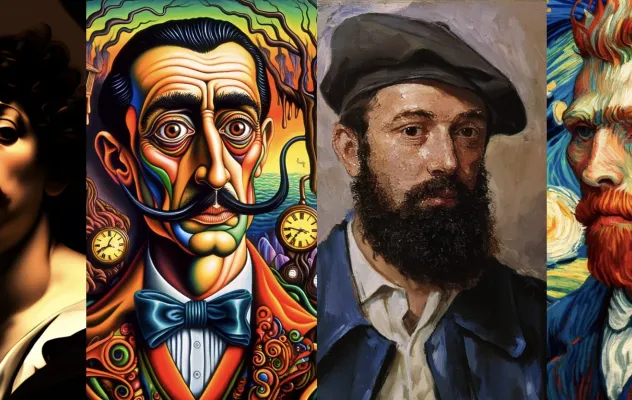
Related Models

claude-opus-4-8-thinking/text-to-text
Claude Opus 4.8 Thinking is Anthropic's most advanced model, featuring deep reasoning blocks for complex logic. Use Claude for high-accuracy coding, agentic workflows, and 200k context tasks via our high-performance API at GPTProto.com.
$ 20
20% off
Market: $ 25
claude-opus-4-8-thinking/web-search
Claude Opus 4.8 Thinking API is Anthropic's premier model for complex logic and agentic tasks. With a 200k context window and internal reasoning blocks, it delivers high-accuracy coding and nuanced data analysis for enterprise-grade solutions.
$ 20
20% off
Market: $ 25
claude-opus-4-8-thinking/file-analysis
ai claude opus 4.8 thinking is Anthropic's pinnacle reasoning model. Featuring a 200,000 token context window and specialized thinking blocks, it masters complex coding, legal analysis, and agentic workflows with unmatched logical precision.
$ 20
20% off
Market: $ 25
claude-opus-4-8/text-to-text
Claude Opus 4.8 offers top-tier reasoning and long-context handling. Use Claude for deep research or complex coding tasks. Opus 4.8 integrates via our unified API for reliable performance and easy scaling across diverse AI applications.
$ 20
20% off
Market: $ 25