Kimi K2.6 API: Fast Coding, Vision, and Agentic Workflows
Developers looking to explore all available AI models frequently find that Kimi K2.6 offers an unmatched balance of performance and affordability. As a high-performance open-source contender, Kimi K2.6 serves as a viable alternative to larger models, handling complex logic and visual reasoning with ease.
Kimi K2.6 Performance and Benchmarks
Kimi K2.6 recently secured the #4 spot on the Artificial Analysis Intelligence Index, outperforming heavyweights like Opus 4.6 Max. This ranking highlights the model's efficiency in processing complex instructions. While Kimi K2.6 might not objectively surpass Opus 4.7 in every metric, it manages roughly 85% of the same task volume with comparable quality. The inclusion of native vision support and sophisticated browser-use capabilities makes Kimi K2.6 a versatile tool for modern software development.
Technical users often note that Kimi K2.6 excels in 'overthinking' — a trait that, while occasionally verbose, ensures deep reasoning for difficult prompts. This depth allows Kimi to handle mass edits and document audits where other models might gloss over details.
Comparing Kimi K2.6 vs Industry Standards
Choosing the right model requires looking at raw benchmarks and cost-to-performance ratios. Use this comparison to see where Kimi fits in your stack.
| Feature | Kimi K2.6 | Claude Sonnet 4.6 | Opus 4.7 |
|---|---|---|---|
| Coding Proficiency | Excellent | Very High | Elite |
| Vision Support | Native | Native | Native |
| Cost Efficiency | 5x Cheaper | Standard | Premium |
| Agentic Logic | Optimized | High | High |
Kimi K2.6 Pricing and Cost Advantages
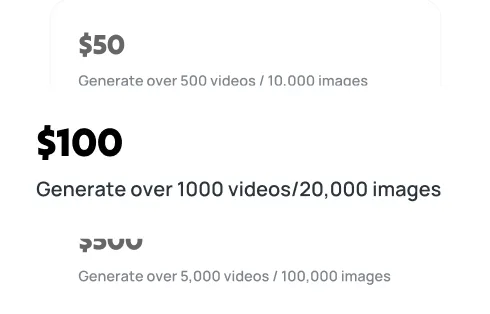
For teams focused on scale, Kimi K2.6 pricing is a major draw. At roughly five times cheaper than Sonnet 4.6, this model allows for aggressive testing and deployment without the typical financial overhead. GPTProto provides a flexible pay-as-you-go pricing model, ensuring you only pay for the tokens Kimi processes during your specific tasks.
The cost-effectiveness of Kimi K2.6 makes it particularly attractive for token-hungry agentic swarms. Because agent-based workflows often involve recursive calls and self-correction, the lower per-token cost of Kimi translates to massive savings over time. You can monitor your API usage in real time through our dashboard to keep your projects within budget.
Kimi K2.6 API for Coding and Tool Use
Coding remains the standout strength for Kimi K2.6. When paired with OpenCode tools, Kimi has demonstrated the ability to 'one-shot' complex web clones, including MacOS-style interfaces. Its proficiency in low-level languages like ASM and Rust has earned it praise among systems engineers who require precision and speed. The Kimi K2.6 api handles these requests with high throughput, making it suitable for CI/CD integrations.
Kimi K2.6 is a massive win for the open-source community. It provides the reasoning depth we usually associate with closed-source paid APIs but at a price point that encourages experimentation with sub-agents and swarm architectures.
Kimi K2.6 Deployment and Hardware Requirements
While GPTProto handles the cloud infrastructure, some developers choose to run Kimi K2.6 locally. Doing so requires substantial hardware. A setup utilizing eight RTX PRO 6000 cards with 96GB VRAM each is recommended for maintaining speeds of 25-30 tokens per second. Alternatively, dual M3 Ultra Mac Studios with 512GB of unified memory can provide a stable local environment, albeit at lower speeds. For most, the GPTProto API integration docs offer a much faster path to production without the hardware investment.
Integrating Kimi AI into Production Workflows
Stability is paramount when using Kimi K2.6 in a professional setting. Our platform ensures that Kimi api access remains uninterrupted, backed by a robust infrastructure that eliminates the need for complex local maintenance. By using GPTProto, you get the benefit of Kimi vision and coding skills without the high VRAM entry barrier. Stay updated with the latest AI industry updates to see how Kimi continues to evolve against its competitors.
Kimi K2.6 for Document Audits and Mass Edits
The model's ability to process large volumes of text makes Kimi K2.6 ideal for document audits. Whether you are reviewing legal contracts or refactoring an entire codebase, Kimi handles the context with high accuracy. This 'agentic' approach to editing reduces the manual workload for developers and auditors alike.
For those interested in building custom solutions, you can explore AI-powered image and video creation tools on our platform that complement the Kimi reasoning engine. Join the GPTProto referral program to earn commissions while sharing these powerful Kimi K2.6 capabilities with your network.