


100% JSON Reliability
The AI GPT 4.1 Nano matches GPT-4o performance for structured outputs. This ensures your AI applications receive valid JSON every time, reducing errors in automated data processing workflows.

image
text
Image To Text (Response)
curl --request POST "https://gptproto.com/v1/responses" \
  --header "Authorization: Bearer $GPTPROTO_API_KEY" \
  --header "Content-Type: application/json" \
  --data '{
    "model": "gpt-4.1-nano",
    "input": [
      {
        "role": "user",
        "content": [
          {
            "type": "input_text",
            "text": "What is in this image?"
          },
          {
            "type": "input_image",
            "image_url": "https://tos.gptproto.com/resource/cat.png"
          }
        ]
      }
    ]
  }'
Image To Text (Chat)
curl --request POST "https://gptproto.com/v1/chat/completions" \
  --header "Authorization: Bearer $GPTPROTO_API_KEY" \
  --header "Content-Type: application/json" \
  --data '{
    "model": "gpt-4.1-nano",
    "messages": [
      {
        "role": "user",
        "content": [
          {
            "type": "text",
            "text": "What is in this image?"
          },
          {
            "type": "image_url",
            "image_url": {
              "url": "https://tos.gptproto.com/resource/cat.png"
            }
          }
        ]
      }
    ],
    "max_tokens": 300
}'The AI GPT 4.1 Nano offers industry-leading specs for small-tier AI models.
The AI GPT 4.1 Nano matches GPT-4o performance for structured outputs. This ensures your AI applications receive valid JSON every time, reducing errors in automated data processing workflows.
Tuned for single-turn tool calls, the AI GPT 4.1 Nano sees a 15% reduction in hallucinations. It is a reliable AI choice for powering agents that need to interact with external APIs and databases.

Equipped with vision reasoning, the AI GPT 4.1 Nano handles high-speed OCR and UI identification. Use it for visual AI tasks like processing receipts or identifying elements in RPA workflows.
Process tasks in under 150ms with the AI GPT 4.1 Nano. This GPT model is perfect for autocomplete and real-time chat apps that require immediate AI responses and low-latency interaction.

Follow these simple steps to set up your account, get credits, and start sending API requests to gpt 4.1 nano via GPT Proto.
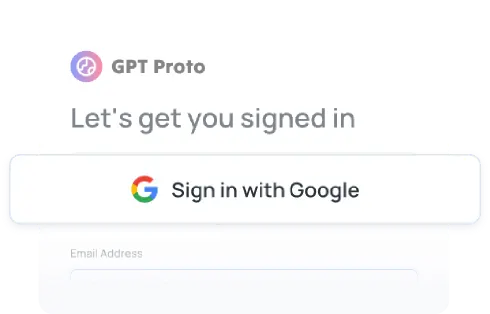
Sign up
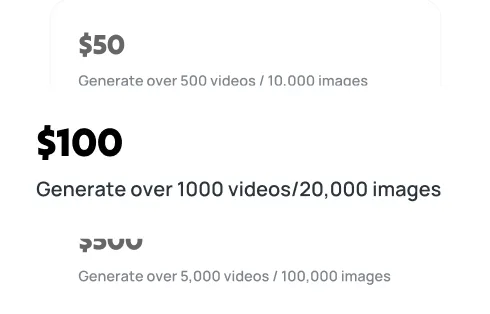
Top up
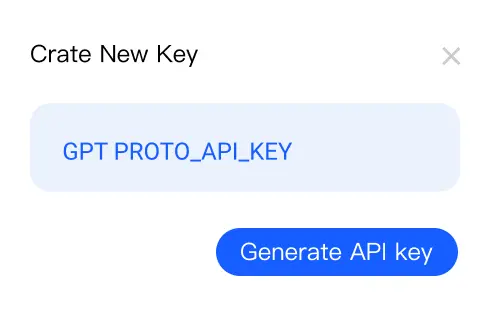
Generate your API key
Make your first API call
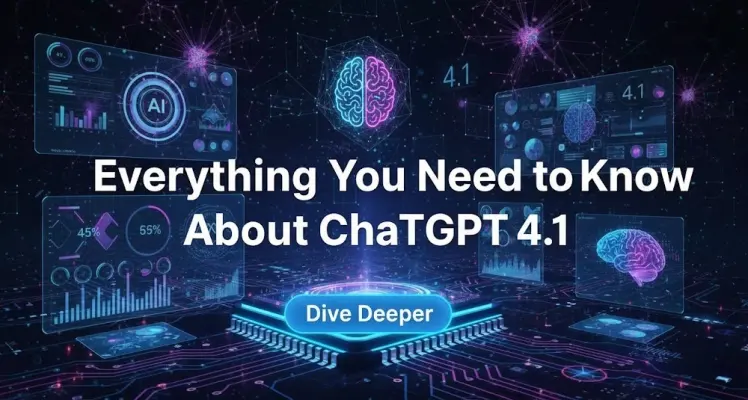
Learn what GPT-4.1 is, how it outperforms GPT-4o with 54.6% SWE-bench scores, 1M token context, and when to use each variant. Developer guide with benchmarks, pricing, and migration tips.

Explore how GPT-5.3 Codex and the new Codex app are transforming the coding landscape with recursive intelligence and multi-tasking agentic capabilities. Learn how to optimize costs and leverage multi-modal workflows for maximum developer productivity in the new era of AI.
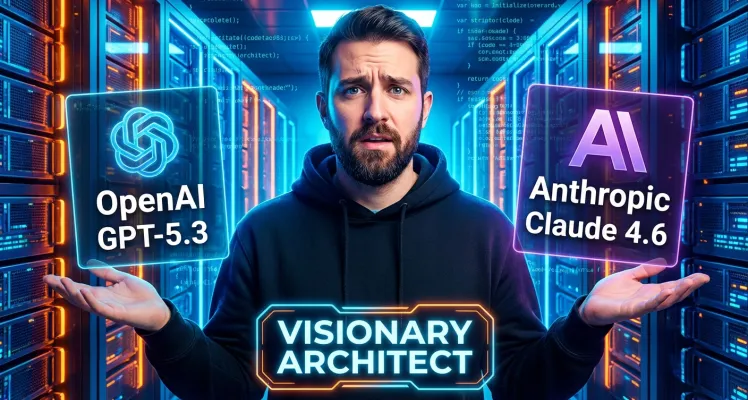
Discover how OpenAI and Anthropic redefined AI Coding on February 5, 2026. Explore the recursive power of GPT-5.3 and the multi-agent collaboration of Claude 4.6, and learn how these tools are automating software development for enterprises globally.
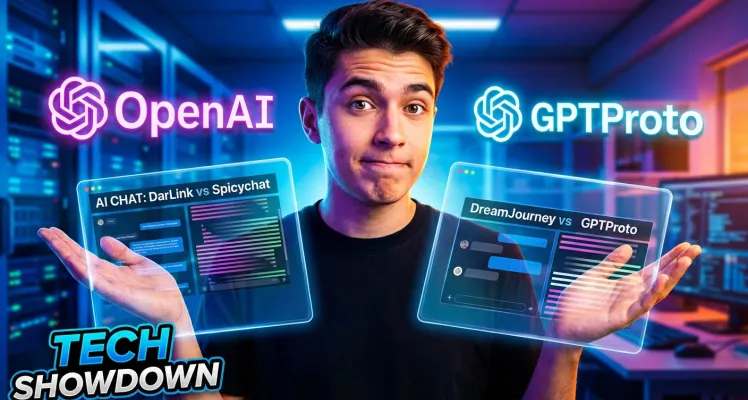
The AI chatroom has evolved to offer deep memory, uncensored roleplay, and multi-agent teamwork. Discover the best platforms to fit your needs today.