GPT Proto
gpt-4o / image-to-text
OpenAI offers a suite of advanced models including GPT-5.2 and GPT-4.1-mini, specializing in text, vision, and image generation. Through GPTProto, developers can access the OpenAI API with a stable pay-as-you-go model that avoids the complexity of traditional credit systems. Key features include high-fidelity vision processing, native image generation with GPT Image 1, and efficient tokenization for large-scale multimodal applications. Whether you are building automated visual inspectors or creative design tools, OpenAI provides the infrastructure needed for next-generation AI agents.

INPUT PRICE

$ 1.75
30% off
$ 2.5

Input / 1M tokens

image

OUTPUT PRICE

$ 7
30% off
$ 10

Output / 1M tokens

text

OpenAI API: Accessing GPT-5.2 Vision and Advanced Multimodal Models

The OpenAI ecosystem continues to lead the industry with the release of GPT-5.2 and the specialized GPT-4.1-mini, offering developers unprecedented power in multimodal processing. By choosing to explore all available AI models on our platform, you can integrate these capabilities without the usual technical friction.

OpenAI Vision Capabilities for Real-World Image Analysis

The latest OpenAI models aren't just for text; they possess a deep ability to see and understand visual data. This capability, known as vision, allows OpenAI to process objects, shapes, colors, and textures within any uploaded file. When you send an image to the OpenAI API, the model breaks it down into patches to analyze specific details. For developers, this means you can build apps that identify components in a factory, read complex handwritten notes, or describe the contents of a photograph for accessibility tools. You can learn more about understanding or generating images via the official technical documentation to see how these request structures are formed.

Why Developers Are Switching to OpenAI for Production-Grade APIs

Stability and speed are the two biggest factors when moving an AI project into production. OpenAI has optimized its latest models, particularly GPT-4.1-mini, to handle high-volume requests with lower latency. Unlike previous iterations, these OpenAI models are natively multimodal. This means they don't just translate images into text labels; they understand the spatial relationships within the image. If you are worried about unpredictable costs, you can manage your API billing through our flexible portal, ensuring your OpenAI usage stays within budget without worrying about expiring credits.

"The shift from DALL-E 3 to GPT Image 1 marks a massive change in how OpenAI handles creativity. By using a natively multimodal approach, OpenAI models now follow complex instructions with a level of world knowledge that specialized image generators simply can't match."

What Makes OpenAI GPT-5.2 Different From Previous Models?

The jump to GPT-5.2 introduces a more refined tokenization system for images. In earlier OpenAI versions, image costs were often static or poorly scaled. Now, OpenAI uses a sophisticated patch-based system. For GPT-4.1-mini, the OpenAI API calculates the number of 32px x 32px patches needed to cover an image, capped at 1536 tokens. This allows for high-resolution analysis where needed while keeping simple tasks cost-effective. If your project involves long-term research, you might want to learn more on the GPTProto tech blog where we compare different OpenAI versions for specific enterprise tasks.

How to Get the Best Results From OpenAI API Image Inputs

To get the highest accuracy from OpenAI, you need to understand the 'detail' parameter. Setting this to 'low' allows the OpenAI model to process a 512px version of the image for just 85 tokens, which is great for fast classification. However, for tasks like medical image analysis or reading small text, setting it to 'high' is necessary. OpenAI will then scale the shortest side to 768px and count 512px tiles to provide a deeper understanding. To get started with these technical nuances, read the full API documentation for a step-by-step integration guide.

OpenAI vs Alternatives: Performance and Cost Comparison

Choosing the right model for your stack involves balancing performance against overhead. Below is how OpenAI stacks up against other top-tier models available on GPTProto.

Model NamePrimary StrengthVision SupportPricing Model
OpenAI GPT-5.2General IntelligenceHigh FidelityPay-as-you-go
Claude 3.5 SonnetCoding & LogicStandardUsage-based
Gemini 2.0 FlashSpeed & ContextAdvancedPay-as-you-go
OpenAI GPT-4.1-miniEfficiency/CostPatch-basedUltra-low cost

Maximizing Stability With OpenAI No Credits Billing

One of the main frustrations with the standard OpenAI setup is the need to constantly manage pre-paid credits that might expire. At GPTProto, we provide a more transparent way to access the OpenAI API. You can monitor your API usage in real time and pay only for what you actually use. This is especially important when using GPT-5.2 for recurring background tasks or data extraction where usage can spike unexpectedly. By removing the credit barrier, we ensure that your OpenAI integration remains live as long as your account is active.

Technical Limitations to Keep in Mind

While OpenAI is powerful, it's not magic. The OpenAI API has known limitations, such as struggling with non-Latin alphabets in images (like Japanese or Korean) and precise spatial localization (like identifying specific chess pieces). Additionally, OpenAI blocks CAPTCHA submissions for safety reasons. To stay updated on these constraints and new features, you can stay informed with AI news and trends on our site.

GPT Proto

OpenAI API Success Stories

How businesses are using OpenAI to solve complex challenges.

Media Makers

Automating Warehouse Inventory

Challenge: A logistics firm struggled to manually log damaged goods from thousands of daily photos. Solution: They integrated OpenAI GPT-5.2 Vision to automatically detect cracks and dents in shipments. Result: Inspection time was reduced by 70%, and logging accuracy increased to 98% using the OpenAI API.

Code Developers

Interactive Education for the Visually Impaired

Challenge: Creating a tool that describes complex textbook diagrams for blind students. Solution: Using OpenAI GPT-4.1-mini's vision capabilities, the team built a mobile app that provides real-time audio descriptions of visual elements. Result: Students could interact with graphs and charts independently for the first time using OpenAI infrastructure.

API Clients

Dynamic E-commerce Content Generation

Challenge: A retailer needed to generate hundreds of unique lifestyles images for their product catalog every week. Solution: They utilized OpenAI GPT Image 1 to generate high-quality photos based on simple text descriptions of settings and lighting. Result: They cut photography costs by 85% while maintaining a consistent brand aesthetic with OpenAI.

Get API Key

Getting Started with GPT Proto — Build with gpt 4o in Minutes

Follow these simple steps to set up your account, get credits, and start sending API requests to gpt 4o via GPT Proto.

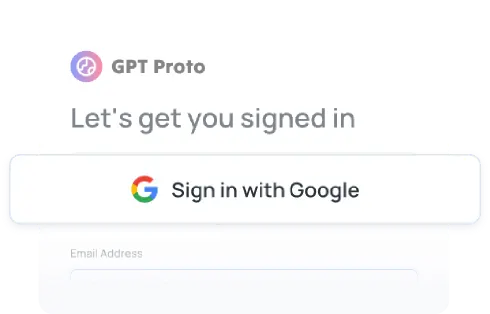
Sign up

Sign up

Create your free GPT Proto account to begin. You can set up an organization for your team at any time.

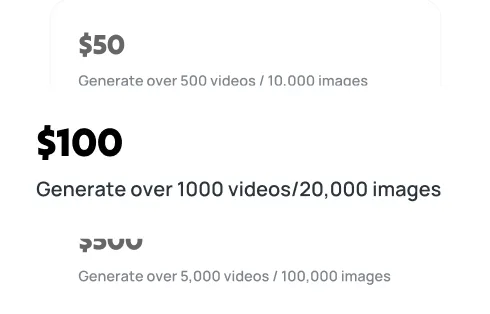
Top up

Top up

Your balance can be used across all models on the platform, including gpt 4o, giving you the flexibility to experiment and scale as needed.

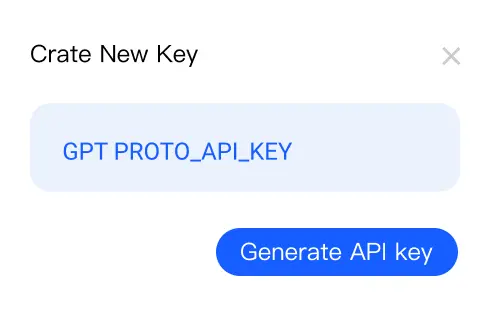
Generate your API key

Generate your API key

In your dashboard, create an API key — you'll need it to authenticate when making requests to gpt 4o.

Make your first API call

Make your first API call

Use your API key with our sample code to send a request to gpt 4o via GPT Proto and see instant AI‑powered results.

Get API Key

OpenAI API Frequently Asked Questions

Developer Feedback on OpenAI Integration