GPT Proto
gpt-5.2-pro / image-to-text
GPT-5.2 represents a massive leap in multimodal intelligence, allowing developers to process text, images, and visual data within a single API call. Unlike previous iterations, GPT-5.2 is natively multimodal, meaning it understands the visual world with the same depth it understands language. Whether you're building automated visual inspection tools, advanced creative platforms, or accessible AI assistants, the GPT-5.2 API provides the accuracy and speed required for production-grade applications. At GPTProto, we offer stable access to GPT-5.2 with no credit expiration and a transparent pay-as-you-go billing model tailored for scaling startups and enterprises.

INPUT PRICE

$ 14.7
30% off
$ 21

Input / 1M tokens

image

OUTPUT PRICE

$ 117.6
30% off
$ 168

Output / 1M tokens

text

Response

curl --location --request POST 'https://gptproto.com/v1/responses' \
--header 'Authorization: GPTPROTO_API_KEY' \
--header 'Content-Type: application/json' \
--data-raw '{
    "model": "gpt-5.2-pro",
    "input": [
        {
            "role": "user",
            "content": [
                {
                    "type": "input_text",
                    "text": "What is in this image?"
                },
                {
                    "type": "input_image",
                    "image_url": "https://tos.gptproto.com/resource/cat.png"
                }
            ]
        }
    ]
}'

GPT-5.2 API: Multimodal Vision, Image Generation, and Cost Guide

The launch of the GPT-5.2 API marks a significant shift for developers who need to explore all available AI models for vision-heavy applications. This model isn't just a text generator with a side of vision; it's a natively multimodal powerhouse designed to see and create simultaneously.

GPT-5.2 Multimodal Features and Image Generation

When you start working with GPT-5.2, the first thing you'll notice is its inherent understanding of the physical world. Unlike older models that felt like they were describing images based on labels, GPT-5.2 processes pixels as tokens. This allows for complex image generation that follows instructions with extreme precision. For instance, if you ask the GPT-5.2 API to generate a specific scene with semi-precious stones, the model uses its deep world knowledge to correctly identify and render amethyst, rose quartz, and jade in a realistic glass cabinet. This level of contextual awareness makes GPT-5.2 a superior choice for creative workflows.

The API handles generation through both the Images API and the Responses API. This flexibility means you can generate high-fidelity images while maintaining a conversational context. At GPTProto, we've seen developers use the GPT-5.2 API to build everything from interior design simulators to automated marketing asset generators. Because it's natively multimodal, the results feel cohesive and grounded in reality, not just a collage of patterns.

GPT-5.2 isn't just an incremental update; it's the first time we've seen an AI model truly bridge the gap between visual perception and conceptual reasoning without losing fidelity in the translation.

How to Analyze Visual Inputs with the GPT-5.2 API

Analyzing images with GPT-5.2 is straightforward but technically rich. You can provide inputs via fully qualified URLs, Base64-encoded strings, or even File IDs. The model supports various formats including PNG, JPEG, WEBP, and non-animated GIFs. When you integrate this into your app, you should read the full API documentation to understand how to handle these multi-part messages. A typical request to GPT-5.2 involves a user message containing both a text prompt and an image object.

For those looking to optimize performance, GPT-5.2 offers a 'detail' parameter. Setting this to 'low' allows the GPT-5.2 API to process an image with a flat budget of 85 tokens. This is perfect for identifying dominant colors or basic shapes. However, if your use case requires reading small text or identifying complex textures, you'll want to use 'high' detail. In high-detail mode, GPT-5.2 scales the image to fit a 2048px square and then processes it in 512px tiles. This ensures no detail is lost during the analysis phase. You can check the official OpenAI vision guides for deeper specifics on resolution handling.

Calculating GPT-5.2 Token Costs for High-Res Images

Understanding the cost structure of GPT-5.2 is vital for production scaling. The token cost is determined by the image dimensions and a specific model multiplier. For GPT-5.2, we calculate the number of 32px x 32px patches required to cover the image. If the count exceeds 1536 patches, the API scales the image down. A 1024x1024 image typically consumes 1024 tokens. However, you must apply the GPT-5.2 mini multiplier of 1.62 or the nano multiplier of 2.46 to find the final billed amount. You can always manage your API billing on our platform to see these costs reflected in real-time.

What are the Known Limitations of GPT-5.2 Vision?

Despite its power, GPT-5.2 has boundaries that developers must respect. It's not designed for medical imaging; using the GPT-5.2 API to interpret CT scans or provide medical advice is strictly against safety guidelines. Furthermore, while GPT-5.2 is excellent at English, its performance may dip when analyzing images containing non-Latin alphabets like Japanese or Korean. It also struggles with precise spatial reasoning, such as identifying the exact coordinates of a chess piece on a board. If your project involves CAPTCHAs, note that GPT-5.2 is programmed to block these for security reasons.

Another area to watch is small text. While GPT-5.2 is far better than its predecessors, enlarging text within the image before submission often yields better OCR results. These limitations are part of why it's essential to learn more on the GPTProto tech blog, where we share workarounds for common vision-based bottlenecks. Monitoring your track your GPT-5.2 API calls in our dashboard will help you identify if the model is failing on specific image types.

Comparing GPT-5.2 and Previous Vision Models

When comparing GPT-5.2 to GPT-4o or DALL-E 3, the difference in 'world knowledge' is stark. DALL-E 3 is a specialized generation tool, whereas GPT-5.2 is a general-purpose brain that happens to have eyes. This makes GPT-5.2 significantly better at following complex, multi-step visual instructions. Below is a comparison of how GPT-5.2 stacks up against other models available on GPTProto.

FeatureGPT-5.2GPT-4oDALL-E 3
Multimodal ProcessingNativeLayeredGeneration Only
Input FidelityHigh (768px short side)Standard (512px)N/A
Max Tokens per Image1536 (Base)1105N/A
Instruction FollowingExceptionalGoodModerate

As you can see, GPT-5.2 offers a more robust framework for developers who need accuracy over simple aesthetic generation. If you're ready to start building, you can earn commissions by referring friends to use our GPT-5.2 endpoints. The stability of our API ensures that GPT-5.2 remains available even during peak demand periods, providing you with a reliable foundation for your AI-powered tools.

Integrating GPT-5.2 into Your Existing Workflow

Switching your existing app to use GPT-5.2 is a matter of updating your model identifier and ensuring your message structure handles the 'content' array correctly. The GPT-5.2 API is backward compatible with most multimodal request formats, but the increased token efficiency and better reasoning mean you might need to adjust your prompts. Instead of over-explaining the context, let GPT-5.2 use its visual knowledge. This often results in shorter prompts and lower overall costs. Stay updated with the latest AI industry updates to see how other companies are implementing GPT-5.2 at scale.

GPT Proto

Real-World Applications of GPT-5.2

Explore how industries are leveraging GPT-5.2 to solve complex visual and linguistic challenges.

Media Makers

Automated Quality Control in Manufacturing

Challenge: A factory needed to identify micro-fractures in engine components that were often missed by standard sensors. Solution: They implemented the GPT-5.2 API using high-detail vision mode to analyze high-resolution photos of the assembly line. Result: GPT-5.2 identified 98% of defects in real-time, reducing waste and preventing costly recalls.

Code Developers

Interactive Education for Visual Arts

Challenge: An online art school wanted to provide instant feedback to students on their sketches and color theory applications. Solution: They used GPT-5.2 to compare student submissions against stylistic benchmarks. Result: Students received personalized, context-aware critiques on their work within seconds, significantly increasing engagement and course completion rates.

API Clients

Accessibility Tools for the Visually Impaired

Challenge: Existing apps for describing surroundings to visually impaired users were too slow and lacked environmental context. Solution: By integrating the low-latency GPT-5.2 model, the app could describe complex scenes and read street signs in real-time. Result: Users reported a much higher sense of independence and safety when navigating unfamiliar urban environments.

Get API Key

Getting Started with GPT Proto — Build with gpt 5.2 pro in Minutes

Follow these simple steps to set up your account, get credits, and start sending API requests to gpt 5.2 pro via GPT Proto.
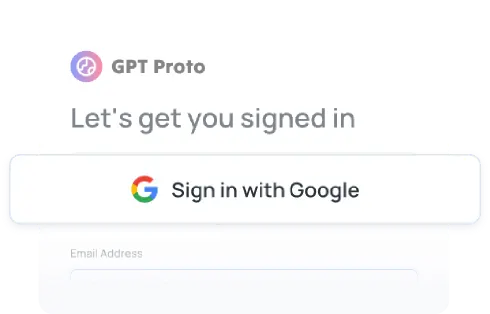
Sign up
Sign up

Create your free GPT Proto account to begin. You can set up an organization for your team at any time.

Top up

Top up

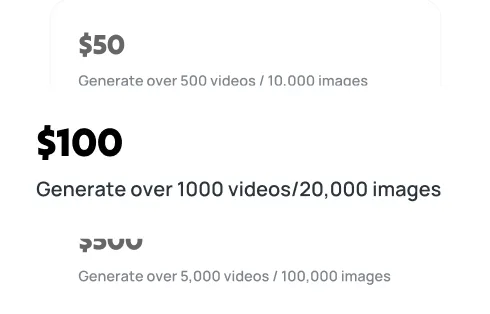
Your balance can be used across all models on the platform, including gpt 5.2 pro, giving you the flexibility to experiment and scale as needed.

Generate your API key

Generate your API key

In your dashboard, create an API key — you'll need it to authenticate when making requests to gpt 5.2 pro.

Make your first API call

Make your first API call

Use your API key with our sample code to send a request to gpt 5.2 pro via GPT Proto and see instant AI‑powered results.

Get API Key

GPT-5.2 API Frequently Asked Questions

User Reviews for GPT-5.2 API Integration