
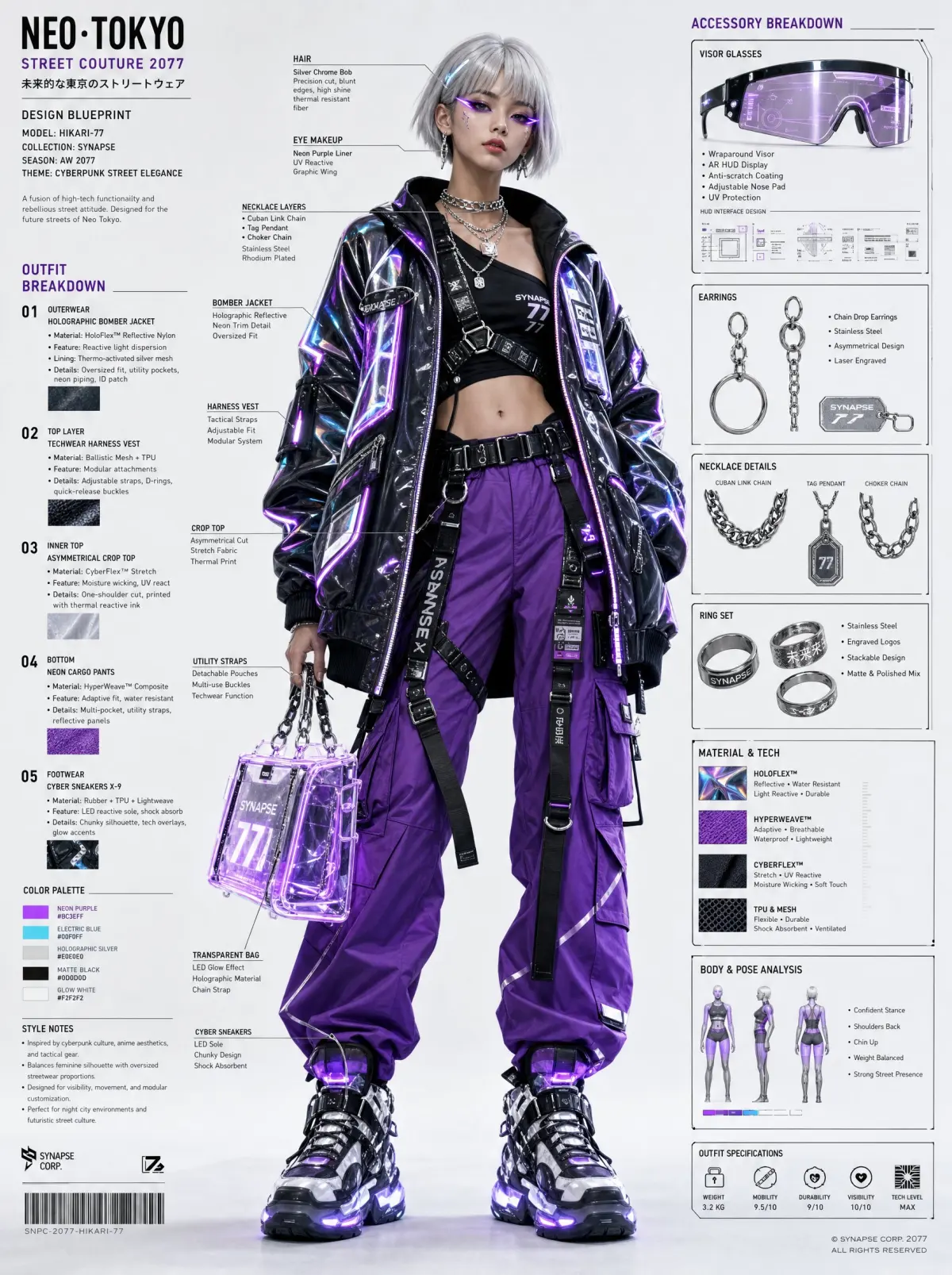


GPT Image 2 API: High-Detail Generation and Vision Skills
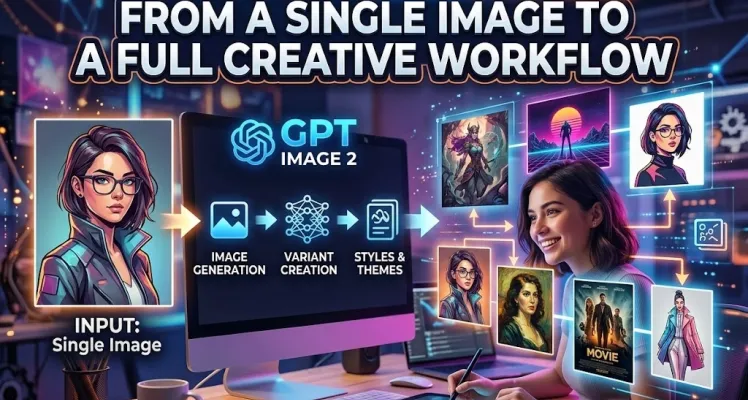
Exploring GPT Image 2 and other models reveals a significant shift in how AI handles visual complexity and linguistic integration within pixels. GPT Image 2 — the latest evolution in the GPT vision series — focuses on solving the long-standing challenges of text clarity and intricate detail consistency.
GPT Image 2 Performance and Reddit Community Feedback
The reception of GPT Image 2 across developer circles and creative communities has been largely positive, specifically regarding its aesthetic output. Many early testers suggest that GPT Image 2 represents the best image model currently available for general-purpose creative tasks. According to recent GPT Image 2 community reviews, the model demonstrates a remarkable ability to generate complex, visually appealing scenes that previous versions struggled to maintain.
However, the GPT Image 2 user experience isn't without its nuances. While the quality remains high, the 'self-review loop' feature — a mechanism where the model audits its own output for errors — introduces a trade-off. This process can extend generation times significantly, sometimes reaching 11 minutes per image in high-fidelity modes. For production environments requiring high throughput, balancing GPT Image settings becomes essential to maintain efficiency.
Achieving Superior Text Rendering with GPT Image
One of the most notable improvements in GPT Image 2 involves text rendering within generated graphics. Historically, AI models produced 'gibberish' or distorted characters. GPT Image 2 handles small details and legible text with much higher precision. Whether generating UI mockups, posters, or branded content, GPT Image provides a level of clarity that reduces the need for post-generation manual editing.
GPT Image 2 excels at small detail rendering, though it remains a stochastic system. For developers, the real value lies in the GPT Image 2 API's ability to interpret complex prompts into structured, readable visual data.
GPT Image API Latency and the Self-Review Loop
When using the GPT Image 2 API, performance varies based on the active features. The self-review loop offers a layer of quality control that virtually eliminates 'six-finger' artifacts and warped anatomy. However, this precision comes at a cost of time. For rapid prototyping, many developers prefer the standard GPT 2 generation path, which bypasses the extended review phase to deliver results in seconds rather than minutes.
GPT Image 2 vs Nano Banana Pro: A Capability Comparison
The competitive landscape for vision models is heating up. GPT Image 2 often faces comparisons with upcoming models like Nano Banana Pro. While Nano Banana promises steep competition, GPT Image currently leads in architectural stability and prompt adherence. Developers evaluating these models should consider the following metrics:
| Feature Metric | GPT Image 2 | GPT Image 1.5 | Nano Banana Pro |
|---|---|---|---|
| Text Legibility | High | Moderate | Pending |
| Small Detail Focus | Superior | Average | High |
| Average Latency | Variable | Fast | Fast |
| API Stability | Stable | Stable | Experimental |
| Vision Reasoning | Advanced | Basic | Advanced |
As shown, GPT Image 2 prioritizes quality and reasoning over raw speed, making it the preferred choice for high-end creative workflows where accuracy outweighs the need for instant delivery.
Managing Hallucinations in GPT 2 Manga Translation
Specialized use cases, such as manga translation or technical diagramming, highlight certain GPT Image 2 limitations. Users have reported massive hallucinations when translating text directly within an image. In some instances, GPT Image 2 may change the original artwork significantly while attempting to modify the text. For these workflows, a multi-stage approach — using the vision API to extract text and then a separate layer for overlaying — often yields better results than direct image-to-image manipulation.
GPT Image 2 Image-to-Image Workflow Issues
Another area for optimization is the image-to-image generation feature. Current GPT Image 2 behavior sometimes results in the reference image 'shimmering' through or overlaying awkwardly rather than a clean transformation. Understanding these GPT Image 2 nuances allows developers to craft better prompts that guide the model toward cleaner transitions. For deeper technical strategies, you can read the full API documentation for the GPT Image series.
GPT Image Pricing and Stable API Access
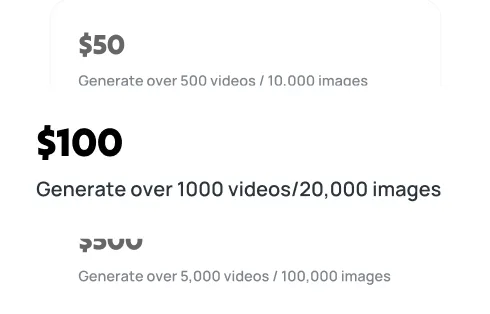
Accessing GPT Image 2 via GPTProto eliminates the complexity of credit-based systems. We offer flexible pay-as-you-go pricing that ensures you only pay for the tokens and generations you actually use. Our infrastructure is built for stability, providing a reliable bridge to the GPT Image 2 API even during peak demand periods. Users can monitor API usage in real time to optimize their spending and performance.
Whether you are building a humorous meme generator or a professional design assistant, GPT Image 2 offers the creative depth required for modern AI applications. By joining the GPTProto referral program, you can also earn commissions while sharing these powerful vision capabilities with your network.