GPT Proto
qwen-image
Qwen Image represents a significant leap in multimodal AI capabilities, specifically tailored for sophisticated image editing and understanding. By utilizing state-of-the-art quantization techniques like GGUF and 4-bit compression, Qwen Image remains accessible even for users with modest hardware setups, such as 6GB or 8GB VRAM GPUs. Whether you are performing complex inpainting, technical image refinement, or automated batch processing via API, this model provides consistent, high-fidelity results. Integrating Qwen Image through GPTProto ensures stable performance without the overhead of traditional credit-based systems, allowing developers and creators to focus on building innovative visual applications with confidence.

PRICE

$ 0.0315
10% off
$ 0.035

Per Time

INPUT

text

OUTPUT

image

Qwen Image Performance: A Guide to Optimizing Your AI Image Editing Workflow

If you're looking to build advanced visual applications, you should browse Qwen Image and other models available on GPTProto. This model has quickly become a favorite for developers who need more than just simple text to image generation.

Qwen Image Requirements for Low-End Hardware and Local Deployment

Running a powerful AI like Qwen Image doesn't always require an enterprise-grade data center. Based on community testing, you can actually run Qwen Image on a laptop with as little as 8GB of VRAM and 16GB of system RAM. The absolute minimum rule of thumb is to have system RAM equal to the model file size plus an extra 2-4 GB to handle overhead. For those with only 6GB of VRAM, using the Nunchaku Qwen Image-Edit-Lightning variant is the best way to maintain speed without crashing your system.

Optimization is the name of the game here. If you are struggling with stability, adding the --cache-none flag to your launch arguments can prevent the GPU from holding onto unnecessary data, clearing RAM throughout the generation process. This is a vital tip for anyone trying to push Qwen Image to its limits on consumer hardware.

Why Developers Prefer Qwen Image for Integrated Image Editing Tasks

The beauty of Qwen Image lies in its versatility. Unlike standard models that require separate systems for understanding and editing, Qwen Image handles both within a unified framework. This makes it an ideal candidate for read the full API documentation to see how you can implement these features into your own software products. Many users are switching because they find the instruction-following capabilities of Qwen Image far more intuitive than older diffusion-based workflows.

For instance, using the latest Qwen Image 2511 version provides a noticeable bump in output quality and logical consistency. When you use an AI news update on Qwen Image-Edit to stay current, you'll see that the community is constantly finding new ways to squeeze more detail out of the 2511 architecture.

"Qwen Image isn't just about making pictures; it's about understanding the spatial relationship between objects. That's why the inpainting and editing features feel so much more natural than what we saw a year ago."

What Makes Qwen Image-Edit Different From Standard Diffusion Models?

The primary difference is the multimodal foundation. Qwen Image wasn't just trained on pictures; it was trained to 'see' and 'describe.' When you ask it to edit a specific part of an image, it uses its internal language model to understand the context of the scene. If you're working on complex projects, you can track your Qwen Image API calls through our dashboard to see how the model processes different prompt complexities.

The Power of Quantized GGUF Models

Quantization allows us to run Qwen Image at 4-bit or 8-bit precision. Using a Flux 2 Klein 4B model variant, for example, fits comfortably within 8GB of VRAM while still producing professional results. This democratizes access to high-end AI, ensuring that individual creators don't need a $2,000 GPU to participate in the AI revolution.

How to Setup Qwen Image in ComfyUI and Python Environments

To get started, most users prefer the ComfyUI integration. You can use the manager in ComfyUI to install the specific nodes required for Qwen Image. Once installed, look for the two-pass workflow. This involves using a second KSampler with a wan or zimage model as a refiner. Setting the denoise level between 0.15 and 0.30 during this second pass significantly improves realism and fine details.

For those preferring a programmatic approach, the GPTProto tech blog offers tutorials on Python integration. You can easily connect your local script to our high-speed endpoints to offload the heavy lifting, which is perfect for production environments where reliability is non-negotiable.

FeatureQwen Image (Standard)Qwen Image (GGUF/Quantized)GPTProto API Integration
VRAM Usage12GB+6GB - 8GBServer-side (Zero Local VRAM)
Editing PrecisionHighModerate-HighMaximum
Setup ComplexityDifficultModerateSimple
Processing SpeedVariableFast (Local)Ultra-Fast (Cloud)

Qwen Image vs Traditional Inpainting Methods

Traditional inpainting often requires creating complex black-and-white masks. Qwen Image simplifies this. Instead of a standard mask, you can use a paintbrush tool—select a bright color like RED—and paint over the area you want to change. The model understands that the colored area is the target for modification. This 'visual prompting' is far more accessible for artists who aren't familiar with technical AI workflows.

Furthermore, the ability to manage your API billing with a pay-as-you-go model means you only pay for the edits you actually perform. There are no monthly 'credits' that expire, making Qwen Image on GPTProto a much more cost-effective solution for freelance designers.

Maximizing Results With the Qwen Image Refiner Pass

One of the best kept secrets in the community is the 'two-pass' method. By generating your initial base image with Qwen Image and then passing it through a refiner, you eliminate the slight 'muddiness' sometimes found in raw AI outputs. This is how professional studios achieve that crisp, high-end look without manual retouching in Photoshop. You can explore AI-powered image creation agents on our platform that already have these multi-pass workflows built-in for you.

If you're finding success with these techniques, don't forget to join the GPTProto referral program. Sharing these optimization tips with your network can earn you commissions while helping others master the Qwen Image ecosystem. Always remember to test different models until you find the one that fits your specific hardware and aesthetic needs.

GPT Proto

Real-World Qwen Image Applications

See how Qwen Image solves complex problems across different industries.

Media Makers

Automated E-commerce Product Enhancement

Challenge: A retailer needed to change the background of 10,000 product photos while keeping lighting consistent. Solution: They used the Qwen Image API to identify the foreground and swap backgrounds using text instructions. Result: A 90% reduction in manual editing time and perfectly consistent product listings.

Code Developers

Dynamic Content for Mobile Apps

Challenge: A social app wanted to allow users to 'edit' their photos with funny AI accessories in real-time. Solution: They integrated Qwen Image-Edit-Lightning for its low latency and high accuracy on mobile-sized requests. Result: User engagement increased by 40% as people shared their AI-enhanced creations.

API Clients

Architectural Visualization Refinement

Challenge: An architecture firm needed to quickly swap materials (like marble to wood) on 3D renders for client presentations. Solution: They applied a two-pass Qwen Image workflow to refine the textures based on natural language prompts. Result: They could show real-time material changes during client meetings, closing deals faster.

Get API Key

Getting Started with GPT Proto — Build with qwen image in Minutes

Follow these simple steps to set up your account, get credits, and start sending API requests to qwen image via GPT Proto.

Sign up

Sign up

Create your free GPT Proto account to begin. You can set up an organization for your team at any time.

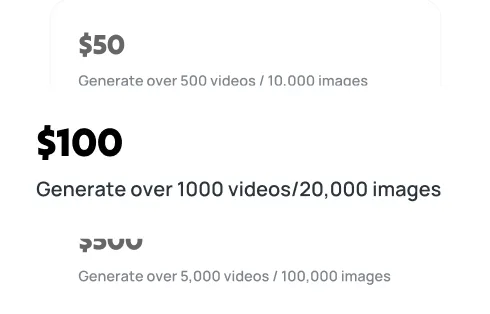
Top up

Top up

Your balance can be used across all models on the platform, including qwen image, giving you the flexibility to experiment and scale as needed.

Generate your API key

Generate your API key

In your dashboard, create an API key — you'll need it to authenticate when making requests to qwen image.

Make your first API call

Make your first API call

Use your API key with our sample code to send a request to qwen image via GPT Proto and see instant AI‑powered results.

Get API Key

Qwen Image FAQ: Everything You Need to Know

What Users Are Saying About Qwen Image