The Cinematic Shift Behind sora.chatgpt
The first time I saw a demo of sora.chatgpt, I felt that familiar prickle of "tech vertigo." It is that disorienting sensation where the gap between what a machine can do and what a human can dream suddenly collapses. We have spent decades getting used to the idea that video production requires cameras, lighting, and physics. But sora.chatgpt suggests a different reality, one where pixels are hallucinated into existence with the same ease we use to type a text message.
There is a specific vibe to the sora.chatgpt output that feels more like a dream than a simulation. When you watch a clip generated by sora.chatgpt, you are seeing a massive diffusion model that understands not just what things look like, but how they move through space. The immediate market reaction has been a mix of sheer terror from the stock footage industry and unbridled joy from independent creators who see sora.chatgpt as a great equalizer.
The core innovation of sora.chatgpt lies in its architecture, which treats video as a collection of data patches. By breaking down visual information this way, sora.chatgpt can maintain temporal consistency in a way that previous text-to-video models simply could not. This means a character in a sora.chatgpt video won't suddenly grow a third arm or morph into a lamp post when they walk behind a tree.
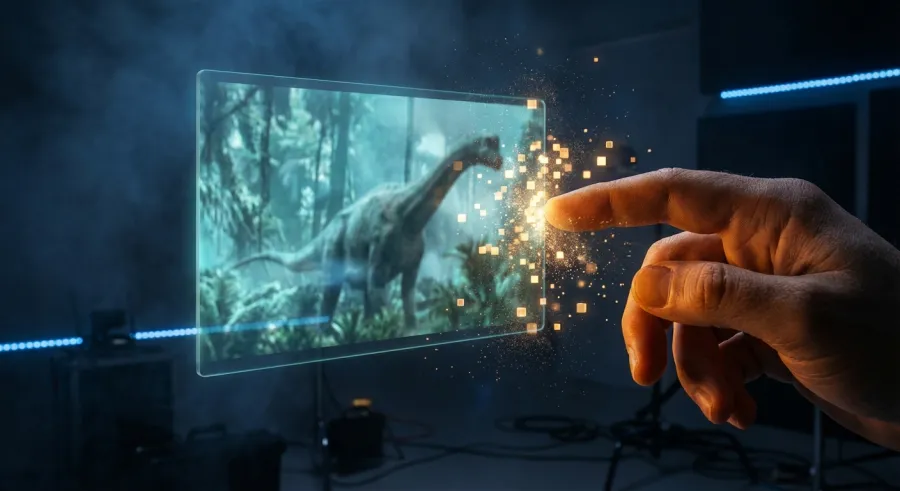
However, the general impression isn't just about the visuals; it is about the accessibility of the sora.chatgpt interface. By wrapping this complex power into the familiar ChatGPT conversational flow, OpenAI has made sora.chatgpt feel like a creative partner. You don't need to know how to code to use sora.chatgpt; you just need to know how to describe a scene with enough vivid detail to guide the latent space.
The buzz surrounding sora.chatgpt isn't just hype; it is a recognition that we have hit a tipping point. For years, AI video was a glitchy mess of flickering shapes, but the arrival of sora.chatgpt signaled that high-fidelity, photorealistic video is now a software problem, not a hardware one. This shift changes the "vibe" of content creation from one of resource scarcity to one of imaginative abundance through sora.chatgpt.
Many early adopters of sora.chatgpt are reporting that the "director's chair" experience is addictive. You iterate, you refine, and you watch sora.chatgpt interpret your nuances. It is a feedback loop that previously took weeks in a professional studio, now compressed into minutes within the sora.chatgpt environment. The sheer speed of this transition is what makes sora.chatgpt the most talked-about development in generative media this year.
How Creative Industries Leverage sora.chatgpt Today
In the world of professional marketing, sora.chatgpt is becoming a secret weapon for rapid prototyping. Instead of spending thousands on a mood board or a test shoot, creative directors are using sora.chatgpt to visualize a campaign's aesthetic in real-time. A storyboard that used to be a series of static sketches is now a living, breathing sora.chatgpt sequence that communicates tone and lighting perfectly.
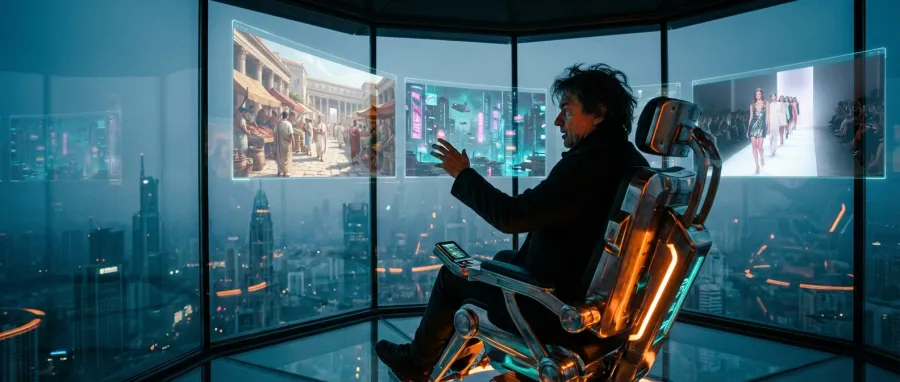
Independent filmmakers are perhaps the most excited about what sora.chatgpt offers. Imagine a solo creator who can now generate b-roll of a futuristic cityscape or a dense prehistoric jungle using sora.chatgpt without a Hollywood budget. The sora.chatgpt toolset allows for the creation of environments that would have been impossible to film physically, bridging the gap between an indie script and a blockbuster visual style.
Architects and interior designers are also finding a home within sora.chatgpt. They use the tool to create "walkthroughs" of buildings that don't exist yet. By prompting sora.chatgpt with specific materials and lighting conditions, they can show clients how sunlight will hit a marble floor at 4 PM in a way that static CAD renders fail to capture. The fluidity of sora.chatgpt is the key selling point here.
Educators are leveraging sora.chatgpt to bring history to life. A history teacher can use sora.chatgpt to generate a short, historically accurate clip of a Roman marketplace or a Victorian street scene. This visual immersion provided by sora.chatgpt helps students engage with the past far more effectively than a standard textbook ever could. It turns the classroom into a temporary time machine powered by sora.chatgpt.
The gaming industry is looking at sora.chatgpt as a way to generate dynamic cutscenes or even background textures. Small studios can use sora.chatgpt to fill out their worlds with cinematic flair that would otherwise require a team of thirty animators. Because sora.chatgpt understands motion, it can create naturalistic environmental effects like wind through leaves or rain hitting a windowpane with startling accuracy.
We are even seeing sora.chatgpt used in the fashion world for digital runway shows. Designers can preview how a fabric might move on a digital model using sora.chatgpt before a single thread is cut. This integration of sora.chatgpt into the design workflow reduces waste and allows for more experimental risk-taking, as the cost of a sora.chatgpt iteration is virtually zero compared to physical manufacturing.
Maximizing Value with sora.chatgpt and GPT Proto
For developers building applications around these visuals, managing the cost of sora.chatgpt is a primary concern. This is where leveraging specialized AI skills becomes essential. By utilizing GPT Proto, developers can access a unified interface that simplifies the integration of sora.chatgpt alongside other heavy-hitting models. The ability to switch between performance modes ensures that you aren't overspending while experimenting with sora.chatgpt.
Furthermore, GPT Proto offers a significant advantage for those scaling their sora.chatgpt usage. With up to a 60% discount on mainstream APIs, using sora.chatgpt through GPT Proto becomes economically viable for startups. This "one-stop access" means you can compare sora.chatgpt outputs with other video models in the model list, ensuring you always have the right tool for the specific visual task at hand.
Technical Hurdles and Performance Limits of sora.chatgpt
Despite the magic, sora.chatgpt isn't without its growing pains. The most common technical ceiling involves complex physics. If you prompt sora.chatgpt to show someone eating a cookie, the cookie might not show a bite mark, or it might reappear whole after being eaten. These "causality errors" are a reminder that sora.chatgpt is a statistical model of pixels, not a true physics engine.
Spatial consistency over long durations also remains a challenge for sora.chatgpt. While a 60-second clip might look stunning, keeping every detail perfectly aligned for several minutes requires a level of compute that is currently at the edge of possibility. This is why sora.chatgpt sessions often focus on shorter, punchier bursts of visual storytelling rather than full-length feature films in one go.
The ethical concerns surrounding sora.chatgpt are equally significant. The potential for deepfakes and misinformation is a massive bottleneck for public trust. OpenAI has built guardrails into sora.chatgpt to prevent the generation of public figures or sexually explicit content, but the community is always looking for ways to bypass these filters. Managing the "safety-to-creativity" ratio is a constant struggle for the sora.chatgpt team.
Another limitation of sora.chatgpt is its occasional struggle with "left-right" orientation. You might prompt sora.chatgpt for a car turning left, and it occasionally renders a turn to the right. These mirror-image bugs show that while sora.chatgpt is brilliant at textures and lighting, it sometimes fumbles the basic geometry of a three-dimensional scene. It's a quirk that reminds us sora.chatgpt is still in its formative stages.
Rendering time is another factor that users must consider. High-resolution sora.chatgpt video isn't instantaneous. The compute power required to diffuse 60 seconds of high-definition video means that sora.chatgpt can sometimes feel like a slow-cooker rather than a microwave. For professionals, this means the sora.chatgpt workflow requires more patience and planning than simple text generation does.
Lastly, the training data for sora.chatgpt is a point of contention. Like all large models, sora.chatgpt relies on vast amounts of visual information. The copyright implications of how sora.chatgpt "learned\" to see the world are currently being debated in courts and online forums. This legal uncertainty creates a \"wait and see\" atmosphere for some large corporations who are otherwise eager to adopt sora.chatgpt fully.
The Economic Reality of Using sora.chatgpt in Production
When we look at the hard data, the cost of running sora.chatgpt is significantly higher than running a standard LLM. The GPU hours required for a single sora.chatgpt render would power thousands of text-based chat responses. This makes sora.chatgpt a premium service, and for many users, keeping an eye on their billing center is a daily ritual. The economics of sora.chatgpt dictate that every prompt must be calculated.
Benchmarks for sora.chatgpt often focus on "temporal coherence" and "photorealism" scores. In these areas, sora.chatgpt currently leads the pack, outperforming rivals from startups like Runway or Pika in terms of sheer visual density. However, the efficiency of sora.chatgpt—how many frames it can generate per watt of electricity—is a metric that OpenAI is constantly trying to improve to lower the barrier to entry.
For businesses, the ROI of sora.chatgpt is found in the reduction of production cycles. If sora.chatgpt can replace a $50,000 stock video shoot with a $20 prompt, the value proposition is undeniable. Even if the sora.chatgpt output requires a bit of post-production cleaning in an image or video editor, the initial time savings are massive. It is about moving from months of production to hours of iteration with sora.chatgpt.
Smart scheduling is becoming a trend for heavy sora.chatgpt users. By using platforms like GPT Proto, users can toggle between "Performance Mode" for final sora.chatgpt renders and "Cost Mode" for initial drafts. This level of control is vital because the sora.chatgpt ecosystem can be expensive if not managed with a unified interface. Efficiency isn't just about the model; it's about how you deploy sora.chatgpt in your stack.
The data also shows that sora.chatgpt is driving a surge in multi-modal model demand. Users don't just want text; they want sora.chatgpt to act as the visual output for their brainstorming sessions. This convergence is why a unified API standard, like the one offered by GPT Proto, is so important. It allows you to pipe the output of a high-end LLM directly into sora.chatgpt without friction or complex middleware.
Ultimately, the benchmarks of sora.chatgpt will move from "Can it make a pretty video?" to "Can it make a reliable video?" Reliability is the next frontier for sora.chatgpt. As the model matures, we expect to see more "seed-based" control, allowing users to keep the same character and environment across different sora.chatgpt prompts, which is the holy grail for narrative storytelling in the AI age.
Public Sentiment and the Ethical Landscape of sora.chatgpt
If you head over to Reddit or Hacker News, the conversation around sora.chatgpt is electric and polarized. Developers on Twitter are constantly sharing "jailbreaks" or "creative hacks" to see how far they can push the sora.chatgpt physics engine. The community feedback is a mixture of awe and a strange kind of mourning for the "human touch" in cinematography that sora.chatgpt threatens to automate.
There is a strong "democratization" narrative in the sora.chatgpt community. Proponents argue that sora.chatgpt allows someone with a great story but no money to compete with a major studio. On the other hand, critics argue that sora.chatgpt will lead to a flood of "slop" content—perfectly rendered but soulless videos that overwhelm social media feeds. The sora.chatgpt debate is essentially a mirror of the broader AI conflict.
Ethics are the centerpiece of the sora.chatgpt discussion. Many community members are calling for clear watermarking on any video generated by sora.chatgpt. They fear that the photorealism of sora.chatgpt is so convincing that it could be used to manufacture fake news or political scandals. OpenAI's response has been to include C2PA metadata in sora.chatgpt outputs, but the effectiveness of this is still being tested by the community.
Artists are particularly vocal about the training data used for sora.chatgpt. There is a "not without credit" movement that insists sora.chatgpt should only be trained on licensed or public-domain footage. This pushback has led to more transparency from the sora.chatgpt team, though the exact details of the training corpus remain a closely guarded trade secret. The tension between sora.chatgpt and the creative class remains high.
Interestingly, some users are finding that sora.chatgpt is a fantastic tool for accessibility. People with physical disabilities that prevent them from operating a camera or moving around a set are using sora.chatgpt to express their visual ideas. In these cases, sora.chatgpt isn't a threat; it's a bridge to a world of expression that was previously closed. This perspective is a powerful counterpoint to the more negative sora.chatgpt narratives.
The sentiment is clear: sora.chatgpt is a tool that we aren't quite ready for, but we can't stop using. It is a "Promethean" technology that brings the fire of creation to everyone's fingertips. Whether we use sora.chatgpt to build new worlds or burn down our shared reality depends on the frameworks we build around it today. The sora.chatgpt journey has only just begun, and the community is strapped in for a wild ride.
Looking ahead, the evolution of sora.chatgpt will likely follow the path of LLMs—becoming faster, cheaper, and more controllable. We will see sora.chatgpt integrate more deeply into professional suites, perhaps even as a plugin for major video editing software. The goal is to make sora.chatgpt feel less like a magic trick and more like a standard utility in the creator's toolkit.
Here's the thing: sora.chatgpt isn't just about making videos; it's about understanding the world through a visual lens. As sora.chatgpt gets better at simulating reality, it might even be used to train robots or autonomous vehicles in virtual environments. The implications of sora.chatgpt reach far beyond TikTok or Hollywood. We are looking at a foundational shift in how machines comprehend motion and interaction.
But there's a catch—the more we rely on sora.chatgpt, the more we need to ensure that the infrastructure supporting it is open and efficient. This is why platforms that aggregate these models, like GPT Proto, are so vital for the future of the sora.chatgpt ecosystem. They provide the stability and cost-management that individual creators and enterprises need to make sora.chatgpt a permanent part of their workflow.
In the end, sora.chatgpt is a testament to human ingenuity. We have taught a machine to see, to dream, and to create. While the challenges are real and the ethical questions are heavy, the potential for sora.chatgpt to expand the boundaries of human storytelling is limitless. If you haven't yet experimented with sora.chatgpt, now is the time to start exploring the future of the moving image.